
Everything You Need to Know About Whale Watching in Lahaina, Maui

Planning your 2026 adventure to the historic shores of West Maui? There is one experience that defines the spirit of the islands: witnessing the majestic Kohola (humpback whales) in their natural sanctuary. As the waters of the Au’au Channel continue to be the premier destination for marine life encounters, a dedicated whale watching tour has become the undisputed #1 “must-do” on every Maui itinerary. In 2026, the recovery of Lahaina’s coastline has brought a renewed sense of wonder to these tours, making them more meaningful than ever before.
When is the Best Time for Whale Watching in Maui?
2026 Season Overview: The official whale season in Maui traditionally runs from December 15th through May 15th. While the first “scouts” often arrive in late October or November, the commercial season is carefully timed to ensure passengers see the highest density of whales possible.
For the most dramatic activity—such as massive “heat runs” where up to a dozen males chase a single female, or spectacular full-body breaches—we recommend planning your visit between January and March. During this window, the Au’au Channel (the shallow water between Maui, Lanai, and Molokai) holds the world’s densest population of North Pacific Humpbacks. In fact, on a clear day in February, you can often see multiple “blows” on the horizon simultaneously from the comfort of your boat deck.
What Kind of Whales and Dolphins Can I See?
Maui is world-famous for its humpbacks, but the 2026 marine ecosystem is thriving with a variety of incredible species. Our professional captains and naturalists help you identify a diverse cast of characters:
- Humpback Whales (Kohola): These 40-ton giants travel 3,000 miles from Alaska just to be here. They are the stars of the show, known for their haunting songs and acrobatic surface displays.
- False Killer Whales: Don’t let the name fool you—these are actually large, highly intelligent dolphins. They are sleek, dark, and often travel in social pods of 20 or more.
- Pilot Whales: Recognizable by their bulbous foreheads, these “cheetahs of the deep” are often spotted in the deeper channels between islands.
- Spinner & Bottlenose Dolphins: We almost always encounter these playful residents. Spinner dolphins are particularly famous for their multi-rotation leaps and social “surfing” in the boat’s bow wake.
- Rare Sightings: Lucky tours in 2026 have even spotted Whale Sharks and Manta Rays gliding near the surface during the calmer morning hours.
Decoding Whale Behaviors: What Are You Witnessing?
Understanding what the whales are doing makes the experience ten times more rewarding. Keep your camera ready for these iconic behaviors:
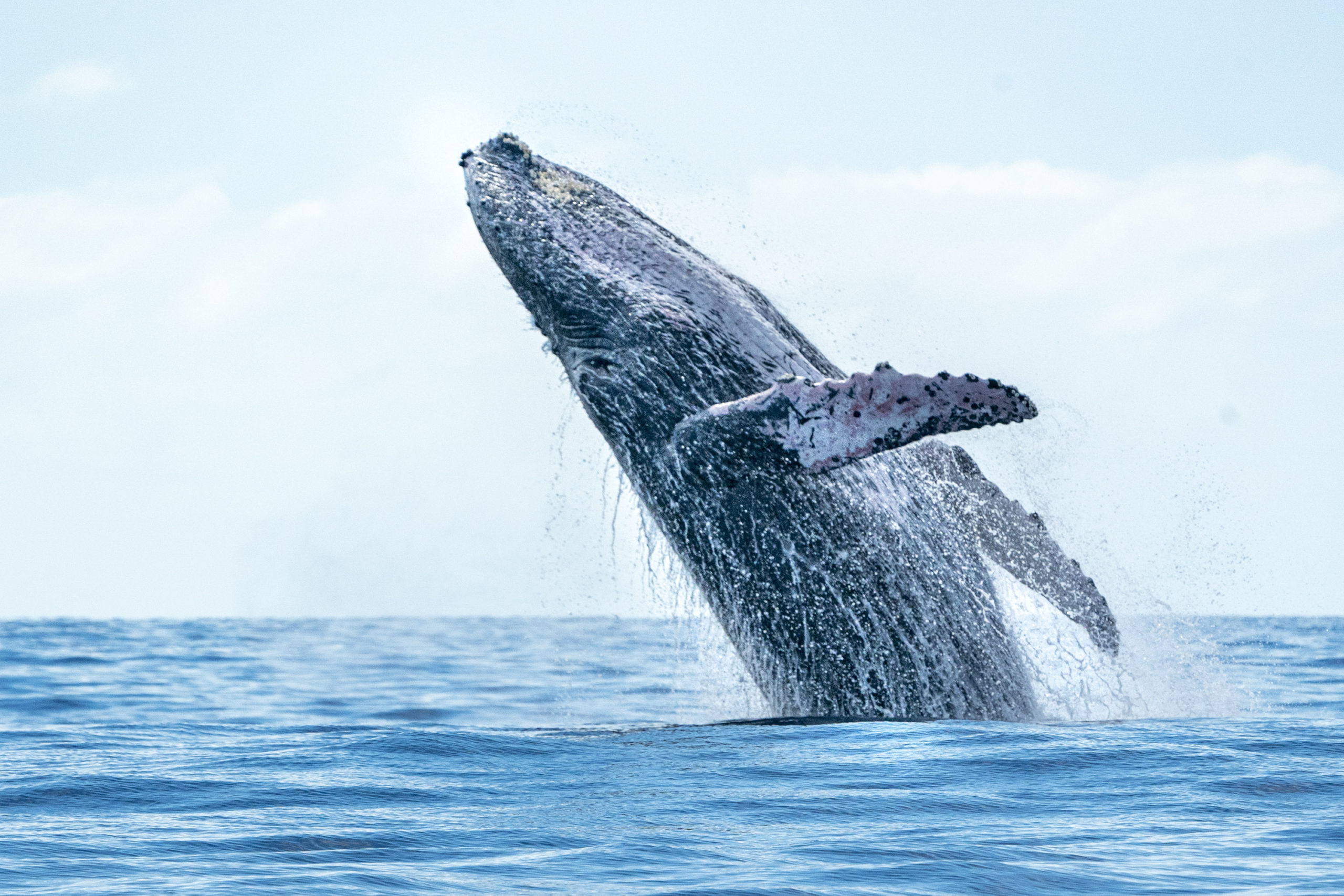
- The Full Breach: This is the “holy grail” of whale watching. The whale uses its powerful tail fluke to launch nearly its entire body out of the water. Scientists believe this could be a way to knock off barnacles or simply a loud way to say “hello” to distant pods.
- Tail Slapping (Lobtailing): When a whale remains head-down and repeatedly slaps its fluke against the surface. The sound is like a cannon fire and can be heard for miles underwater.
- Spy Hop: A moment of pure curiosity. The whale pokes its head vertically out of the water to get a look at the boats and the Maui coastline.
- Pectoral Fin Slap: Watch for the long, white side fins (which can be 15 feet long!) waving and slapping the water. This is a common social behavior among mothers and their calves.
Choosing Your Adventure: The Best Ways to See Whales
In 2026, the way you see the whales is just as important as when you see them. We offer three distinct styles of excursions departing from the Lahaina and Ka’anapali area:
1. Luxury Sailing Catamarans
If you prefer comfort and stability, our large catamarans are the way to go. These vessels offer plenty of shade, cushioned seating, onboard restrooms, and often an open bar with tropical cocktails. They are the best choice for families with small children or seniors who want a relaxing, educational experience led by certified marine naturalists.
2. High-Speed Ocean Rafts
For the thrill-seekers and photographers, our low-profile rafts sit just inches from the water’s surface. Because they are fast, these boats can cover more ground, allowing you to reach distant sightings quickly. There’s nothing quite like being at eye-level with a 40-ton animal!
3. Whale Watch & Snorkel Eco-Adventures
Why choose between two of Maui’s best activities? Our Whale Watch & Snorkel Combo is our most popular 2026 tour. We spend the first half of the trip tracking whales in the channel, followed by a snorkeling stop at a protected reef to swim with Hawaiian Green Sea Turtles (Honu) and vibrant tropical fish.
Whale Watching Packing List: What to Bring
Preparation is the key to a great day on the Pacific. Here is our 2026 checklist for the perfect tour:
- Polarized Sunglasses: These are a game-changer. They cut the “glare” off the top of the ocean, allowing you to see the whales’ bodies beneath the surface.
- Light Windbreaker or Hoodie: Even on a hot 80-degree day, the wind on a moving boat can be surprisingly chilly. Stay comfortable with an extra layer.
- Reef-Safe Sunscreen: In 2026, Maui has strict regulations on sunscreen. Please ensure your lotion is “mineral-based” (zinc or titanium) to protect our fragile coral reefs.
- Waterproof Phone Pouch: Capture those breaches without worrying about sea spray or an accidental drop into the deep!
Frequently Asked Questions (FAQ)
What if we don’t see any whales? We are so confident in our 2026 season that we offer a “Sightings Guarantee.” If your boat doesn’t spot a whale, you’ll receive a “Whale Check” to come back and try again for free on any available departure!
Is it better to go in the morning or afternoon? Morning tours (pre-10 AM) typically have the flattest water, which is best for spotting blows and for those prone to seasickness. Afternoon tours often have more wind but offer the most incredible lighting for sunset photography.
How close can we get? Federal law requires us to stay 100 yards away, but “mugging” is a common occurrence where curious whales swim directly up to a stationary boat to check out the passengers!
Don’t let the 2026 season pass you by! Spots on our top-rated tours fill up months in advance, especially during the peak February migration. Whether you’re looking for a romantic sunset sail or a high-speed family adventure, the whales of Maui are waiting to put on a show for you. Click below to check real-time availability and secure your spot on the water.